In the garment and textile industry, polyester sewing threads are typically expressed in the format of “count/ply”, such as 20/2, 40/2, 40/3, 60/2, and 60/3. The first number refers to the yarn count, which indicates the thickness of the yarn—the higher the count, the finer the yarn. The second number indicates the number of plies, meaning how many single yarns are twisted together—the more plies, the thicker and stronger the thread.
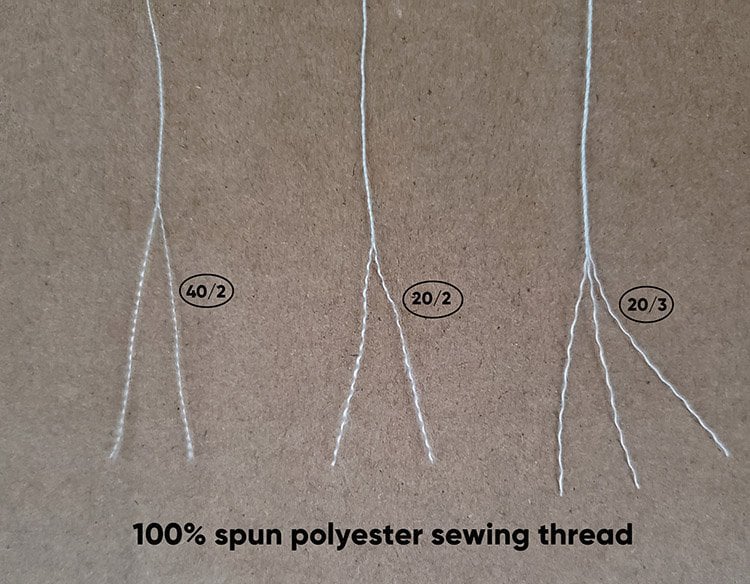
In general, thread thickness and strength are closely related. For example, 20/3 is thicker and offers higher strength, while 60/2 is finer and more suitable for lightweight fabrics. Among all specifications, 40/2 and 60/3 are the most commonly used and versatile options, offering a good balance between fineness and strength, making them suitable for a wide range of standard fabrics.
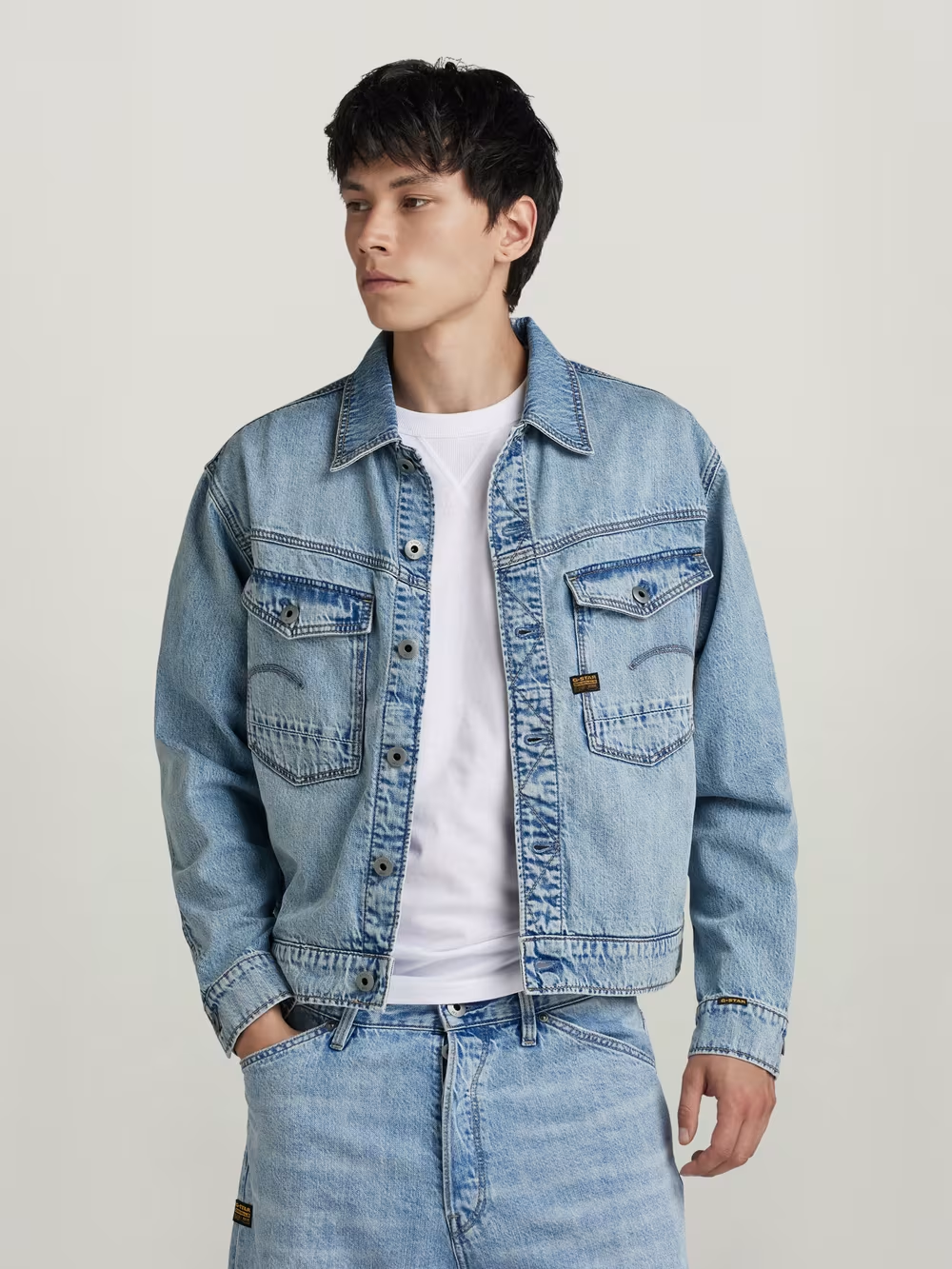
Different thread types are used for different applications. 60/2 is mainly used for lightweight fabrics such as chiffon and silk, providing fine and neat stitching. 40/2 and 60/3 are widely used for common fabrics like cotton, polyester blends, and viscose, making them the mainstream choice in garment production. 40/3 is more suitable for medium to heavy fabrics such as fleece and wool. Meanwhile, 20/2 and 20/3 are designed for heavy-duty applications like denim and bags, offering higher strength and abrasion resistance, and are also commonly used for decorative stitching.
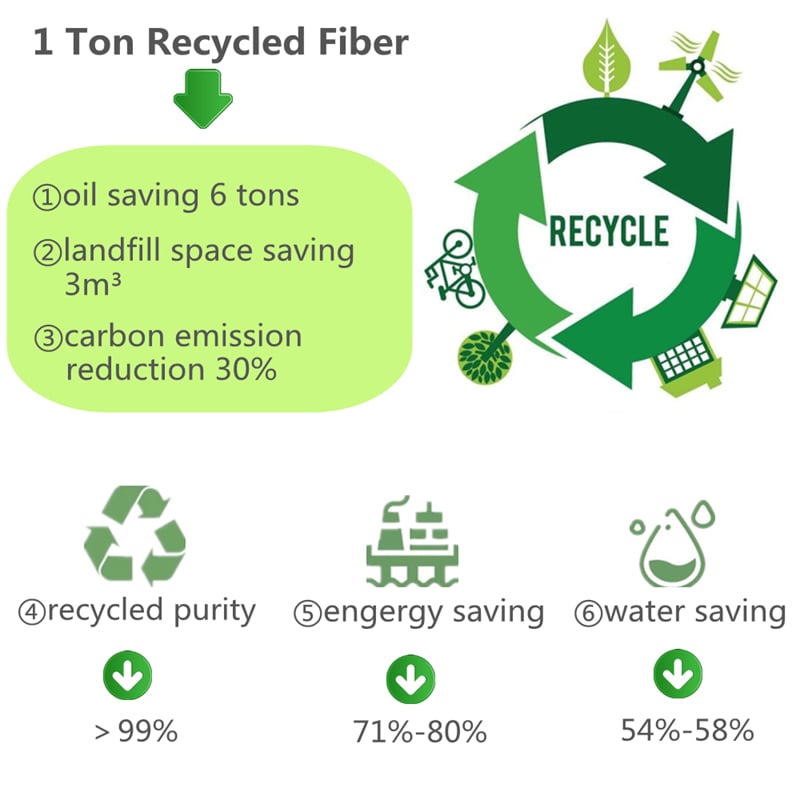
With the increasing global focus on sustainability, recycled polyester sewing threads are becoming an important trend in the industry. Recycled polyester is typically made from post-consumer plastic bottles, which are cleaned, melted, and re-spun into fibers. This process helps reduce waste and significantly lowers carbon emissions. While maintaining stable strength, durability, and sewing performance, recycled threads can effectively replace virgin polyester products and meet the growing demand for eco-friendly materials.
In conclusion, selecting the right sewing thread can follow a simple rule: finer threads for lightweight fabrics, and thicker, stronger threads for heavier or high-stress applications. By combining proper thread selection with the environmental benefits of recycled polyester, manufacturers can not only ensure product quality but also enhance sustainability and add value to their products in today’s global market.

Be the first to get our latest styles and offers.
Room 1502-1,1502-2,15th Floor,NO.3199 South Jiefang Road,Jianhu Street,Yuecheng District, Shaoxing City, Zhejiang Province,China
Copyright © 2024 SHAOXING SHENMARK TEXTILE TECHNOLOGY CO.,LTD
 EN
EN
 AR
AR FR
FR DE
DE HI
HI IT
IT JA
JA KO
KO RU
RU ES
ES TL
TL ID
ID VI
VI TH
TH TR
TR MS
MS UR
UR BN
BN KM
KM LO
LO NE
NE MY
MY KU
KU KY
KY